The Rise of Roblox Casino Games in Virtual Entertainment
Roblox has evolved far beyond a simple sandbox platform for younger audiences. Today, it hosts a sprawling ecosystem of user-generated experiences, and among the most captivating are Roblox Casino Games 🎰. These virtual gambling simulations have carved out a dedicated niche, attracting millions of players who crave the thrill of wagering without real-world financial risk. Understanding the mechanics, the community dynamics, and the technological underpinnings of these experiences is essential for anyone navigating this rapidly expanding digital frontier.
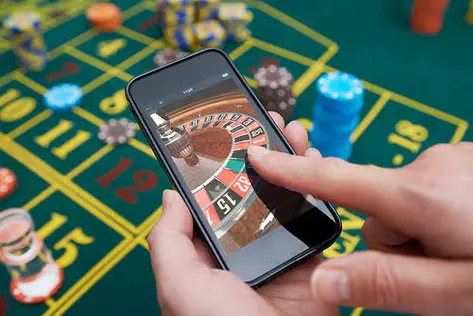
Why Virtual Casino Experiences Captivate a Global Audience
The allure of casino-style gameplay within Roblox lies in its accessibility and social interactivity. Unlike traditional online gambling platforms that require deposits and identity verification, these virtual simulations operate on in-game currencies such as Robux or custom tokens. Players can engage in poker tournaments, slot machine simulations, roulette wheels, and blackjack tables—all within a persistent, multiplayer environment. The psychological reward loops, including variable ratio reinforcement schedules, mirror those found in regulated gambling establishments, yet the barrier to entry remains astonishingly low. This democratization of casino entertainment has fueled explosive growth across North American and European player bases.
Technical Architecture Behind Roblox Casino Simulations
Developing a functional casino experience on Roblox demands sophisticated scripting proficiency, typically utilizing Lua through Roblox Studio. Developers must implement random number generation algorithms that ensure fair outcomes, often leveraging Roblox's built-in Random object or custom cryptographic functions. Server-client replication models are critical for preventing exploitation, as unscrupulous players may attempt to manipulate local variables. Advanced developers incorporate anti-cheat mechanisms, transaction logging, and role-based access controls to maintain integrity. The most reputable virtual casinos publish their RNG methodologies and undergo community audits, establishing trust within the ecosystem.

Economic Models and Monetization Strategies
Monetization within Roblox casino games typically revolves around premium currency purchases, cosmetic upgrades, VIP memberships, and advertisement integrations. Some developers implement dual-currency systems where one currency is earned through gameplay and another is purchased with Robux, creating a soft gambling loop that encourages continued engagement. Game passes and developer products allow players to unlock higher-stakes tables or exclusive chip packages. Understanding these economic structures is vital for stakeholders analyzing virtual economy trends and user retention metrics.
Regulatory Ambiguity and Responsible Play Considerations
The legal landscape surrounding virtual casino simulations remains fragmented. While these experiences do not constitute real-money gambling under most jurisdictions, they occupy a gray area that regulators continue to scrutinize. Platform policies prohibit direct real-money wagering, yet the line between simulation and genuine gambling mechanics grows increasingly blurred. Responsible play advocates emphasize the importance of age-appropriate content labeling, session time limits, and transparent odds disclosure. Players should remain cognizant that virtual wagering can still trigger compulsive behaviors, and moderation tools within these experiences serve as essential safeguards.
Community Culture and Competitive Ecosystems
The social fabric of Roblox casino communities is remarkably vibrant. Discord servers, dedicated subreddits, and in-game guilds foster camaraderie among players who share strategies, celebrate jackpot wins, and organize tournaments. High-roller leaderboards create aspirational hierarchies, while streamers broadcast live gameplay to audiences numbering in the thousands. This competitive ecosystem drives engagement metrics and encourages content creation, further amplifying the visibility of these virtual venues. For developers, cultivating a loyal community is often more valuable than any single monetization feature.
The Future Trajectory of Virtual Casino Entertainment
Emerging technologies promise to reshape this landscape dramatically. Virtual reality integration, blockchain-based provably fair systems, and cross-platform interoperability are on the horizon. Developers experimenting with non-fungible tokens for unique chip designs and decentralized autonomous organization governance models hint at a future where players hold genuine stakes in the platforms they patronize. As computational capabilities expand and player expectations escalate, the distinction between virtual and physical casino experiences will continue to erode, ushering in unprecedented opportunities for immersive entertainment.